With the advent of multiple fuel grades entering the UK market, there is an increased risk of misfuelling when it comes to fuel ordering and delivery into client storage tanks. The demand for commercial fuel tank cleaning is therefore also on the rise.
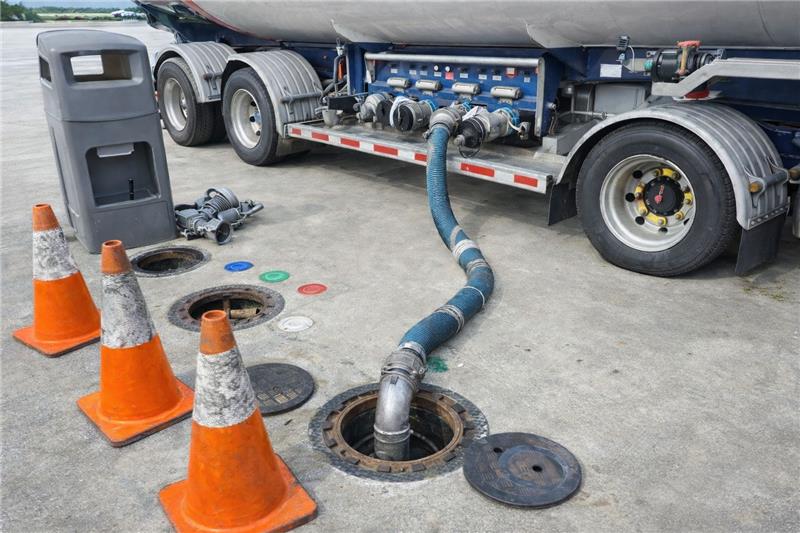
At DP Fuel Tank Services, we are seeing a marked increase in the frequency of the wrong fuel grades being delivered to sites or deliveries being made into the incorrect storage tanks.
Not going back too far in time, managing fuel stocks was a much easier proposition when the choice was simply petrol or diesel. However, due to the Renewable Energy Directive, several alternative fuels are now being offered, including biodiesel and Hydrotreated Vegetable Oil (HVO).
While these greener fuels are vital for the industry, they have caused managers to reconsider how they store multiple fuel grades. Specifically, there is a new focus on efficient storage and how to maintain fuel hygiene, given the propensity of modern bio-blended fuels to absorb moisture.
As a result of these changes, fuel conditioning and polishing have become a planned, ongoing maintenance requirement. Previously, this was often just a reactive response to a problem.
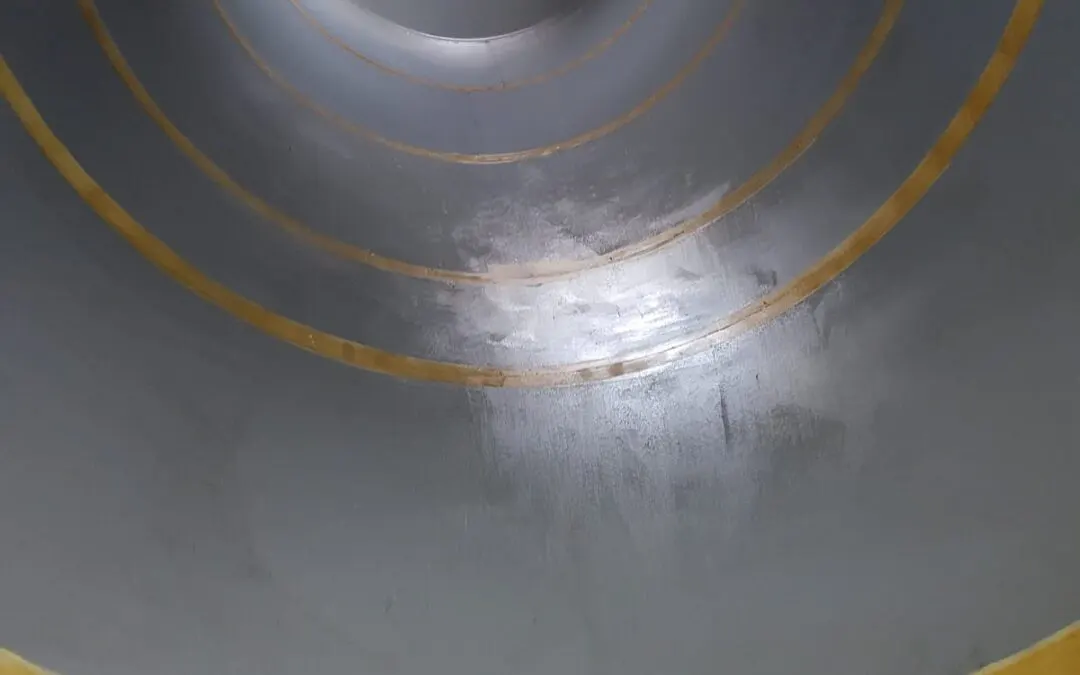
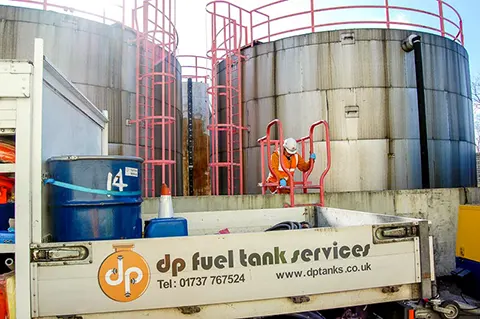
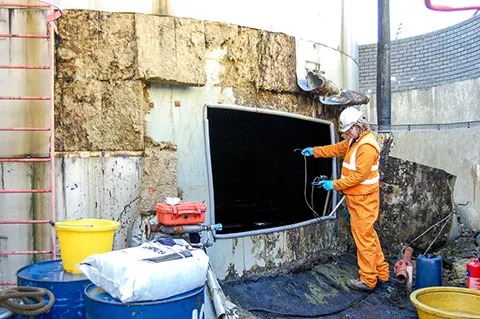
Moisture absorption in modern fuels can lead to bacterial growth. Therefore, tank cleaning has also become an in-demand service. Clearly, hygiene doesn’t just include conditioning the fuel itself, but extends to the environment in which the fuel is stored.
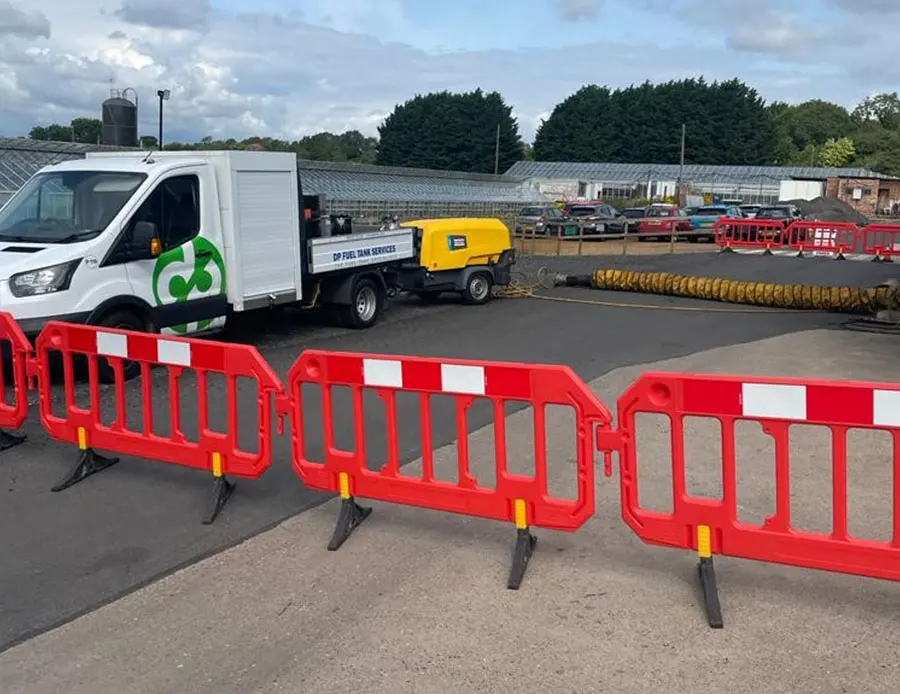
Whether you need your fuel tanks cleaned as a result of a misfuelling delivery or you require fuel conditioning to combat bacterial growth, our team is ready to assist.
Please get in touch with DP Fuel Tank Services today for further information.
FAQ
What is Hydrotreated Vegetable Oil (HVO) and can it be mixed with standard diesel?
HVO is a paraffinic bio-based liquid fuel that serves as a direct, cleaner alternative to red diesel. Because it is chemically very similar to mineral diesel, it is generally considered a “drop-in” fuel. This means it can usually be stored in existing diesel tanks and even mixed with standard diesel without draining the tank first, though it is always recommended to clean the tank beforehand to ensure the HVO maintains its high purity and long shelf life.
What is the difference between Fuel Conditioning and Fuel Polishing?
While the terms are often used interchangeably, there is a nuance.
Fuel Conditioning usually refers to the chemical treatment of fuel (additives) to improve stability or combat issues.
Fuel Polishing is a mechanical process. It involves cycling the fuel through a filtration system to remove water, sediment and microbial contamination (sludge). Modern best practice combines both: polishing to remove physical contaminants as well as conditioning to maintain chemical stability.
Why are modern bio-blended fuels more susceptible to "Diesel Bug"?
“Diesel Bug” is a colloquial term for microbial contamination (bacteria, yeast, and mould) in fuel. Modern fuels, particularly those with higher biodiesel (FAME) content, are hygroscopic, meaning they naturally attract and hold moisture from the atmosphere. Since bacteria require water to survive, this absorbed moisture creates the perfect breeding ground for microbial growth at the interface where fuel meets water in the tank.
What are the immediate steps if a commercial tank suffers a Misfuelling event?
If an incompatible fuel grade (e.g., petrol into a diesel tank) is delivered:
Do not operate any pumps or machinery connected to that tank to prevent the wrong fuel from entering the engines.
Isolate the tank immediately.
Arrange for a professional tank pump-out and cleaning. The contaminated fuel must be removed, and the tank flushed to remove residues before it is safe to refill with the correct grade.
What is involved in Oil Tank Decommissioning vs. Removal?
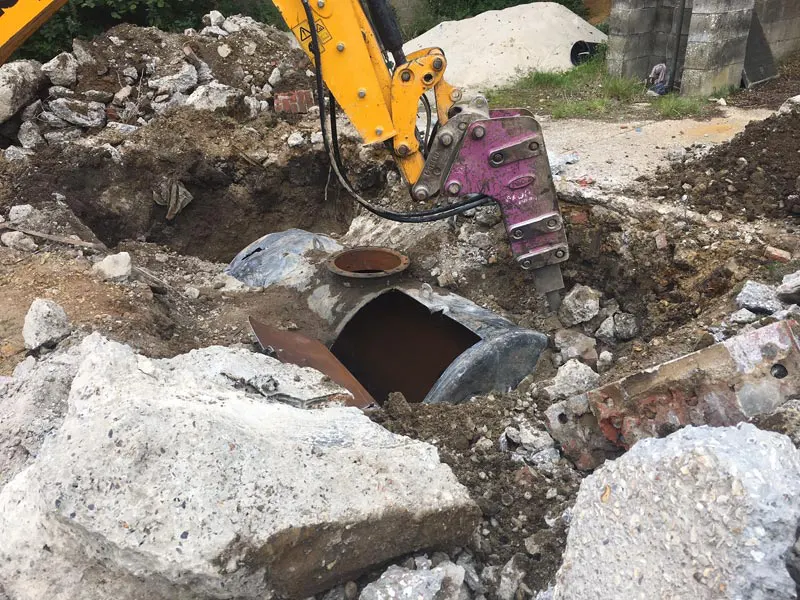
Decommissioning involves making a tank safe and permanently taking it out of service often by filling it with an inert substance (like concrete foam) or ensuring it is gas-free if it is to be left on-site but unused.
Removal is the physical extraction of the tank from the site. Both processes require a rigorous “gas-freeing” certification and cleaning process first to ensure there are no explosive vapours remaining before hot work (cutting) or transport can begin.